
For a student in Aurangabad district who didn't clear NEET on the first attempt, the weeks after results feel disorienting in a very specific way — everyone around them, from relatives to neighbors, seems to have an opinion on whether a repeat year is worth it, and most of those opinions are based on someone else's cousin's experience rather than anything specific to this student's actual situation. This post is meant to help families think through that decision with the specifics that actually matter, not general reassurance either way.
The first question worth asking honestly is why the first attempt didn't go as planned, because the answer changes everything about whether a repeat year will help. A student who ran out of preparation time due to late board exams, or who had a specific, identifiable gap in one subject, is in a fundamentally different position than a student whose preparation was thorough but who struggled with exam-day pressure or time management. A dropper year fixes the first kind of problem far more reliably than the second.
NEET score data nationally shows that dropper-year students, as a group, do improve their scores meaningfully more often than not — but that statistic hides enormous variation. Students who used their gap year with a structured, disciplined program that included regular full-syllabus testing improved substantially. Students who treated the gap year as an open-ended extension of unstructured studying, without the accountability of regular testing, often saw far smaller gains, or none.
This is the single most important factor in choosing a dropper batch, and it's the one families in Aurangabad district ask about least: does this specific batch treat repeaters differently from first-attempt students, or does it just re-run the same one-year syllabus a second time? A student who already knows the content needs targeted diagnostic testing to find the specific 10 to 15 percent of concepts still weak, followed by focused practice on exactly those gaps — not a full repeat of material they've already internalized.
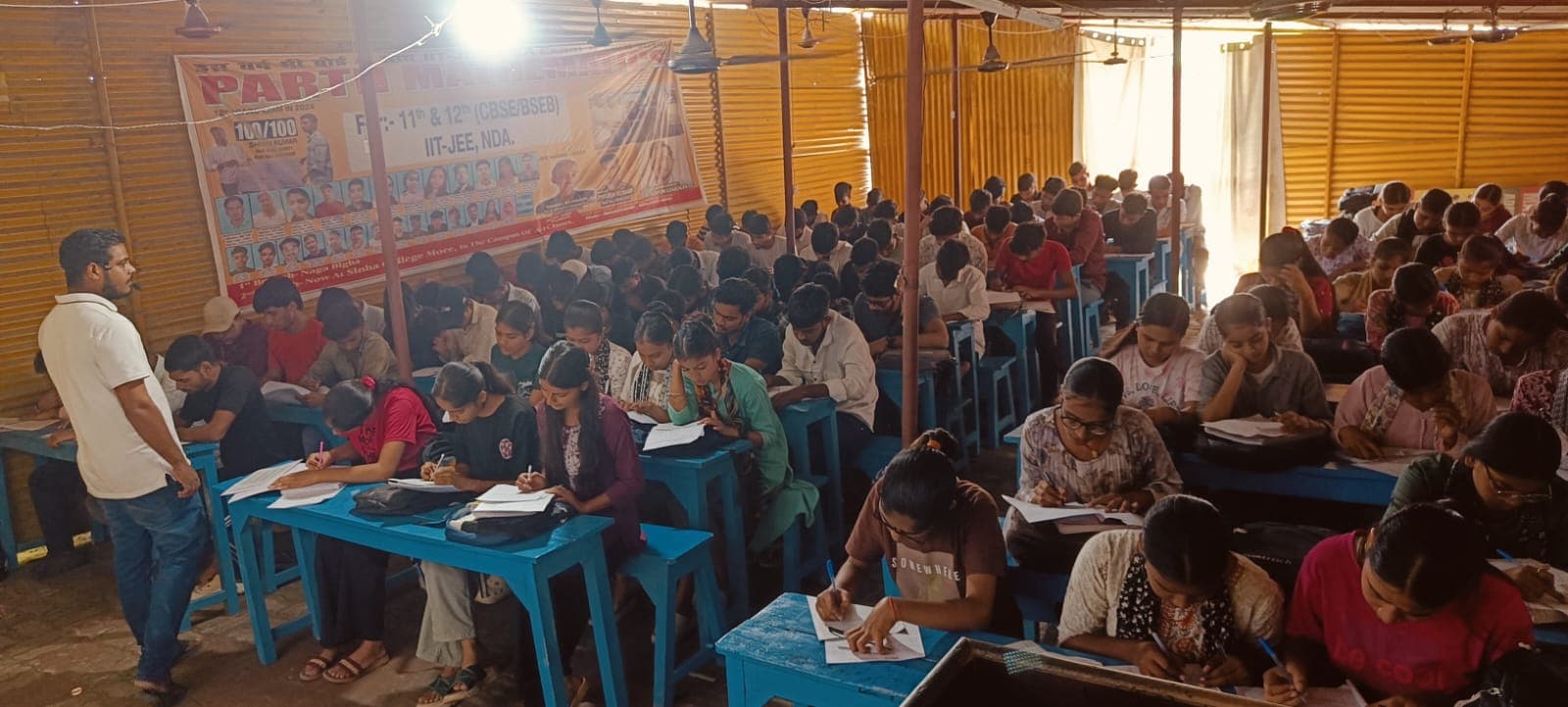
Ask directly whether the dropper batch is taught separately from first-attempt students, or mixed in with them. A repeater sitting through the same introductory pace as a first-year student, on concepts they already know cold, wastes months that should be spent on targeted weak-area work and advanced problem practice. A well-run dropper batch moves faster through familiar material and spends the freed-up time on mock tests, error analysis, and the specific chapters where the student previously struggled.
The emotional dimension of a dropper year is real and deserves direct acknowledgment, not the usual glossing-over. A student who has just gone through a difficult result, in a small town where results tend to become quickly and widely known, is carrying more than an academic gap — they're often also managing comparison anxiety against peers who cleared the exam, and sometimes quiet doubt about their own ability. A dropper batch that ignores this and treats the year as purely academic is missing something that meaningfully affects whether the extra study time actually converts into better performance.
For families in Aurangabad district weighing a dropper year against relocating to Kota or Patna for it, the same logic that applies to first-attempt coaching applies here, arguably more so: a student who has just been through a difficult result benefits more from family support and a familiar environment during the repeat year, not less. Relocating a dropper to an unfamiliar city, away from family, during an already emotionally difficult second attempt, adds a layer of adjustment stress on top of an already high-pressure year.
Cost is also a legitimate factor in this decision that families shouldn't feel guilty weighing seriously. A dropper year is, by definition, an additional year of coaching fees, potential hostel costs if relocating, and a year of delayed entry into a degree program. For some families, this is entirely affordable and clearly worth it. For others, it's a genuine financial stretch that deserves an honest conversation about whether the specific gap in the first attempt is one that a repeat year — versus a shorter, targeted bridge program — would actually close.
Peer group during a dropper year matters more than families in Aurangabad district often anticipate. A repeater who ends up isolated — no longer with their original school friends, who've moved on to college, and not yet integrated into a new batch — can drift into a genuinely lonely year regardless of how strong the academics are. A dropper batch that deliberately builds camaraderie among repeaters, rather than treating them as individuals working in parallel, tends to produce steadier, more sustained effort across the full year.
It's also worth directly addressing a pattern we see in some families: treating a dropper year as a punishment or a mark of failure to be gotten through quickly, rather than as a genuine second opportunity to close specific, identifiable gaps. A student who senses that framing from their own family, even unintentionally, often internalizes it, which undermines exactly the motivation and self-belief a repeat year depends on to succeed. How a family talks about the dropper year at home matters as much as which institute is chosen for it.
Not every student who doesn't clear NEET on the first attempt needs a full dropper year. Some need a shorter, intensive bridge program focused specifically on their weak chapters, rather than a full twelve-month repeat of content they've largely mastered. Before committing to a full dropper year anywhere, ask an institute to genuinely assess your specific gaps first — a responsible one will tell you honestly if you need three months of focused work rather than twelve.
Setting a clear midpoint checkpoint — around four to five months into the dropper year — is one of the most useful, underused tools for keeping a repeat year on track. A structured review at that point, comparing mock test performance against the same point in the previous attempt's preparation, gives a family and student an honest, data-based read on whether the year is working, rather than waiting until the exam itself to find out.
If your family in Aurangabad district is weighing a NEET dropper year, we'd recommend starting with an honest diagnostic conversation — with us or elsewhere — about what specifically went wrong in the first attempt, before deciding on the shape of the repeat year itself.